Apartments for Rent in West Hollywood, CA
Discover vibrant living in the heart of LA's most walkable and culturally rich neighborhood
What makes West Hollywood different from the rest of LA?
By Jason Farone, Founder of 14ForRent · Updated August 2026
Quick Answer
West Hollywood studios run roughly $2,100–$2,700 per month, one-bedrooms $2,600–$3,600, and two-bedrooms $3,600–$5,500. Like Santa Monica and Beverly Hills, West Hollywood is its own independent city with a Rent Stabilization Ordinance that covers most buildings issued a certificate of occupancy before July 1, 1979 — including meaningful tenant relocation protections on no-fault evictions. Walk Score of 89 and a dense restaurant-bar-retail scene make this one of the most urban-feeling small cities in LA. See current listings below.
West Hollywood is a 1.9-square-mile city that manages to feel much larger than it is. Incorporated in 1984, it is sandwiched between Beverly Hills to the west, Hollywood to the east, and Los Angeles to the south and north. The city’s relatively small geography means most renters are genuinely walking distance from a dense mix of restaurants, bars, grocery stores (Trader Joe’s on Santa Monica Blvd, multiple Ralph’s locations), and nightlife — which explains the Walk Score of 89.
The neighborhood divides roughly into three rental zones. The West Hollywood West area, between Doheny and Fairfax along Santa Monica Boulevard, is predominantly residential and quieter — older courtyard apartment buildings, some bungalow courts, and mid-century walk-ups. WeHo East, between Fairfax and La Brea, is denser, closer to Melrose Avenue, and slightly more affordable than the western end. The Sunset Strip corridor along Sunset Boulevard anchors the city’s nightlife and entertainment identity; renting on or near the Strip means noise trade-offs that not everyone wants, but also the most walkable and active street environment in the city.
Transit in West Hollywood is good but not exceptional. There is no Metro rail directly in WeHo, though the D Line Purple Line extension now running to Wilshire/La Cienega puts the city within a short drive or bike ride of the subway. Local DASH and Big Blue Bus routes serve the area, and ride-share penetration is high. Most WeHo residents do own cars; street parking is zone-controlled but manageable for residents. The newly opened D Line stations at La Brea and Fairfax (May 2026) bring rail access significantly closer than it previously was.
West Hollywood’s Rent Stabilization Ordinance is one of the city’s most distinctive features. It covers most multi-dwelling units built before July 1, 1979. The current annual rent increase cap is 2.25% (effective September 2025–August 2026). What distinguishes WeHo’s RSO beyond the cap is its tenant relocation assistance requirement: landlords pursuing no-fault evictions (owner move-in, demolition, major remodel) must pay relocation assistance before the tenant vacates, with amounts scaled to tenancy length and household composition. This is not a feature you get in most of unincorporated LA. If you are renting an older building in West Hollywood, the unit is likely covered — confirm with the landlord.
West Hollywood’s primary ZIP code is 90069, which covers the Sunset Strip, the northern residential streets, and most of the commercial corridors. The ZIP 90046 covers the eastern portion of WeHo along Santa Monica Blvd toward Fairfax, and parts of the West Hollywood Hills above the Strip. ZIP 90048 covers the western portion closer to Beverly Hills and the Beverly Center. For renters searching listings, filtering by these ZIPs gives a reliable view of what is actually in the city limits versus adjacent City of LA blocks that use the same street names.
The Sunset Strip is West Hollywood’s most famous address and its most complicated rental environment. The Strip runs along Sunset Boulevard between Doheny Drive and Crescent Heights — approximately 1.5 miles of hotels, clubs, billboards, and historic music venues (the Roxy, Whisky a Go Go, the Comedy Store, Viper Room). Apartments directly on or immediately adjacent to the Strip offer unmatched access to nightlife, outdoor dining, and some of the city’s best people-watching. The trade-offs are real: nighttime noise from clubs and event traffic, significant weekend congestion, and parking that requires diligence. Most renters who choose Sunset Strip locations do so knowing those trade-offs and valuing the proximity.
The Design District, centered on the stretch of Melrose Avenue between La Brea and Doheny, is one of WeHo’s most distinctive draws. This is where LA’s best furniture showrooms, architecture studios, and home goods retailers are concentrated — the Pacific Design Center (the Blue Whale, three massive buildings) anchors the area, alongside independent galleries and restaurants. Renters near the Design District are within walking distance of this corridor and the more residential stretch of Santa Monica Blvd that runs parallel. The Pacific Design Center also hosts public events, film screenings, and art shows throughout the year.
WeHo Park, the city’s main public green space, sits on the north side of Santa Monica Boulevard between Melrose and Kings Road. It is small by most city-park standards but well-maintained, with a recreation center, basketball courts, and a dog park. West Hollywood has one of the highest dog-ownership rates of any LA city, and dog-friendly amenities — sidewalk restaurants, off-leash areas, pet supply density — are a real feature of daily life here. Renters with pets will find WeHo unusually accommodating compared to other parts of LA.
Why Rent in West Hollywood?
- • Sunset Strip nightlife and live music
- • Santa Monica Blvd dining and cafes
- • Design District shopping on Melrose
- • WeHo Park and green spaces
- • Walk to Beverly Hills
- • LGBTQ+ community hub
WeHo Building & Neighborhood Amenities
West Hollywood Rent Compared to Nearby Neighborhoods
| Neighborhood | Studio | 1BR | 2BR | Transit | Best for |
|---|---|---|---|---|---|
| West Hollywood | $2,100–$2,700 | $2,600–$3,600 | $3,600–$5,500 | DASH, Big Blue Bus; D Line nearby (La Cienega/La Brea) | LGBTQ+ community, nightlife-centric renters, Westside professionals |
| Beverly Hills | $2,000–$2,400 | $3,200–$4,500 | $5,500–$10,000 | Big Blue Bus, Metro lines nearby; most residents drive | Luxury renters, families, Westside professionals |
| Hollywood | $1,900–$2,500 | $2,400–$3,200 | $3,200–$4,800 | Metro B Line (Red) at Hollywood/Vine & Hollywood/Highland, Line 2 bus | Entertainment industry workers, transit riders, Los Feliz/East Hollywood seekers |
| Silver Lake | $1,800–$2,400 | $2,400–$3,200 | $3,200–$4,500 | Metro Local 4 & Rapid 704 on Sunset Blvd; A Line accessible | Eastside creatives, reservoir/outdoor lifestyle, independent dining scene seekers |
Frequently Asked Questions about West Hollywood
Which ZIP codes are in West Hollywood (90046, 90048, 90069)?
West Hollywood and its immediate borders span ZIP codes 90046, 90048, and 90069. The 90046 area — around Fairfax, Laurel Canyon, and the eastern WeHo border — holds the largest share of our current apartments for rent in West Hollywood, followed by 90048 near Beverly Grove and Cedars-Sinai. If you are searching "apartments for rent 90046" or "apartments 90046," the listings below cover that ZIP and the surrounding West Hollywood streets.
How much is rent in West Hollywood?
As of 2026, studios in West Hollywood run approximately $2,100–$2,700 per month, one-bedrooms $2,600–$3,600, and two-bedrooms $3,600–$5,500. Newer buildings and units closer to the Sunset Strip or Beverly Hills border typically command the upper end of those ranges. RSO-covered units in older buildings can be below market for long-term tenants.
Is West Hollywood walkable?
West Hollywood has a Walk Score of 89. Santa Monica Boulevard and Melrose Avenue function as the two main commercial corridors, and from most residential addresses in the flats you can walk to a full grocery store, pharmacy, restaurants, and bars within 10–15 minutes. The city is also generally flat, which makes it practical for cycling as well as walking.
Does West Hollywood have rent control, and what protections does it include?
Yes. West Hollywood’s RSO covers most multi-dwelling units with a certificate of occupancy issued before July 1, 1979. The maximum annual increase is 2.25% through August 2026. Beyond the rent cap, West Hollywood’s ordinance includes just cause eviction protections and — importantly — mandatory relocation assistance for no-fault evictions, which landlords must pay before the tenant leaves. That relocation requirement makes WeHo’s protections meaningfully stronger than standard City of LA RSO for covered units.
Can I rent a West Hollywood apartment directly from the owner with no broker fee?
Yes. Many West Hollywood listings on 14forrent are posted directly by owners and property managers, so renters deal with the lister directly — there is no broker or finder's fee. On broker-listed units that fee is often a full month's rent, so renting owner-direct is one of the biggest ways to cut your move-in cost. Browse the available WeHo apartments below and contact the owner straight from the listing.
What ZIP codes is West Hollywood in, and do rents differ between them?
West Hollywood spans three ZIP codes: 90069 (the Sunset Strip and the northern residential streets), 90046 (eastern WeHo toward Fairfax, plus the hills above the Strip), and 90048 (the western side near the Beverly Center and the Beverly Hills border). Rents are broadly similar across all three — Strip-adjacent 90069 and Beverly-Hills-adjacent 90048 buildings tend to sit at the higher end, while 90046 toward Fairfax is often slightly more affordable.
What's the cheapest way to rent in West Hollywood right now?
The most affordable West Hollywood apartments are usually studios and one-bedrooms in older RSO-covered buildings away from the Sunset Strip, often in the Fairfax-adjacent part of 90046. The two biggest levers on total cost are renting directly from an owner (no broker fee) and staying flexible on your move-in date. Browse the current WeHo listings below to see what's available now.
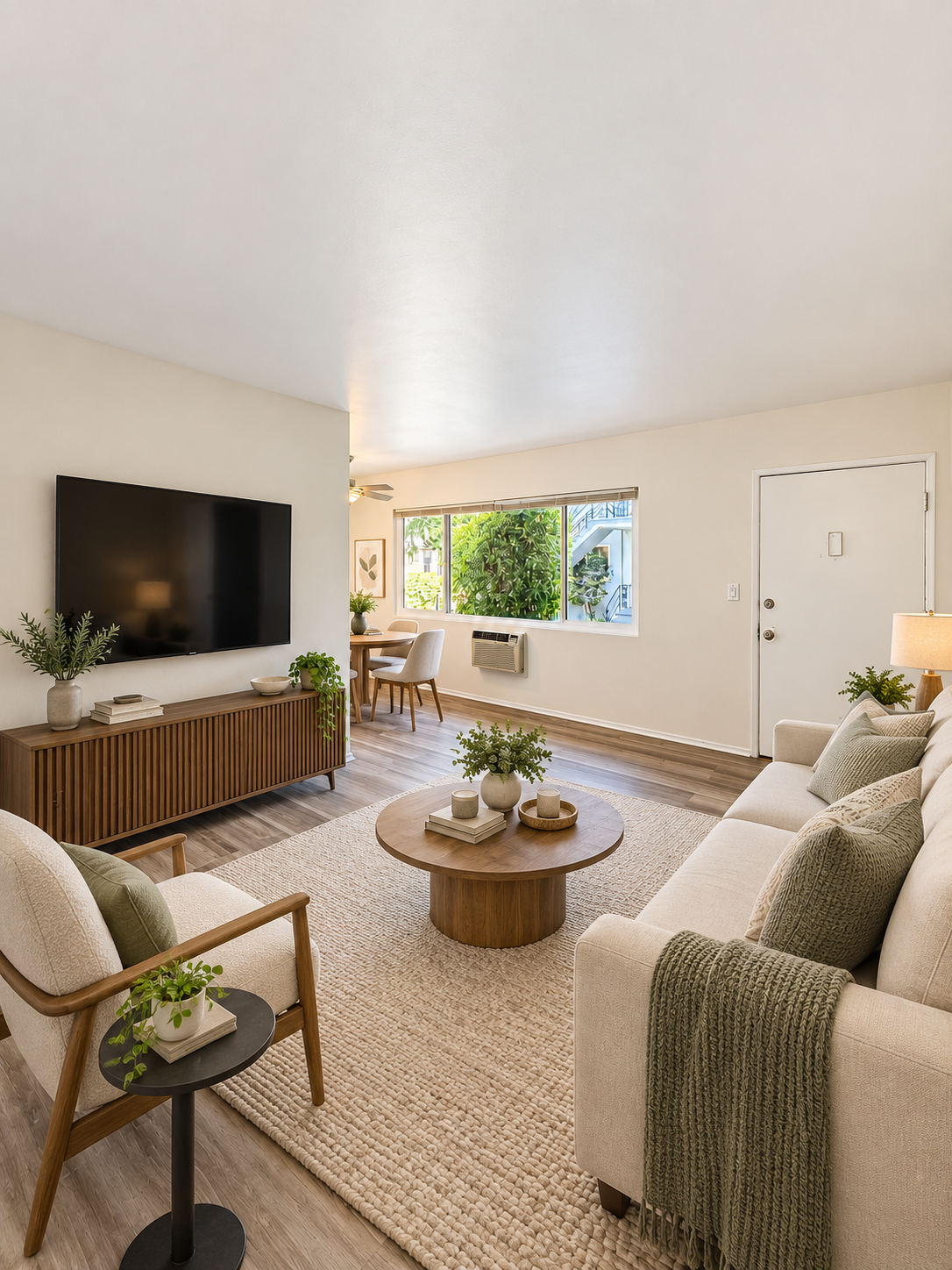
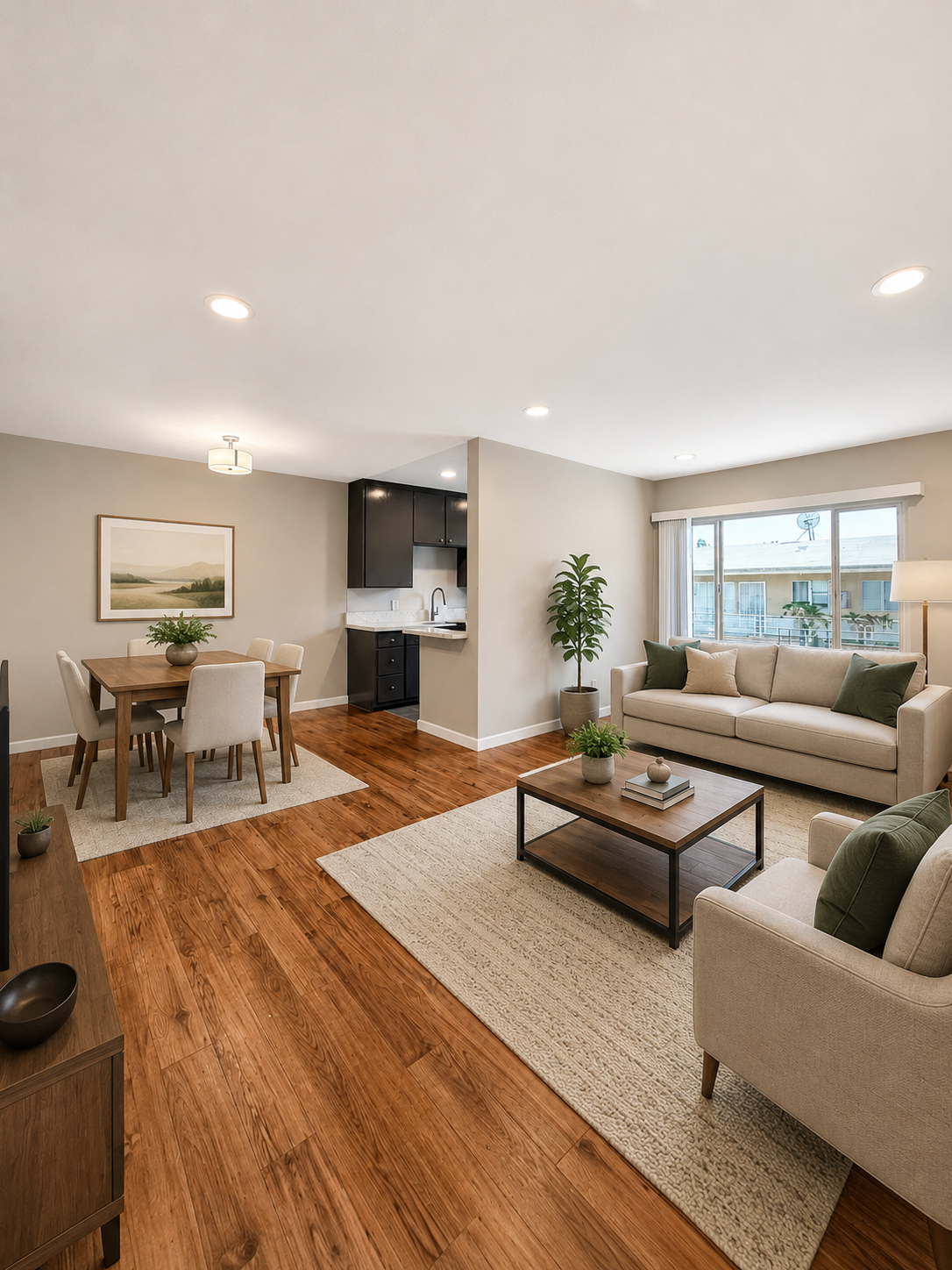
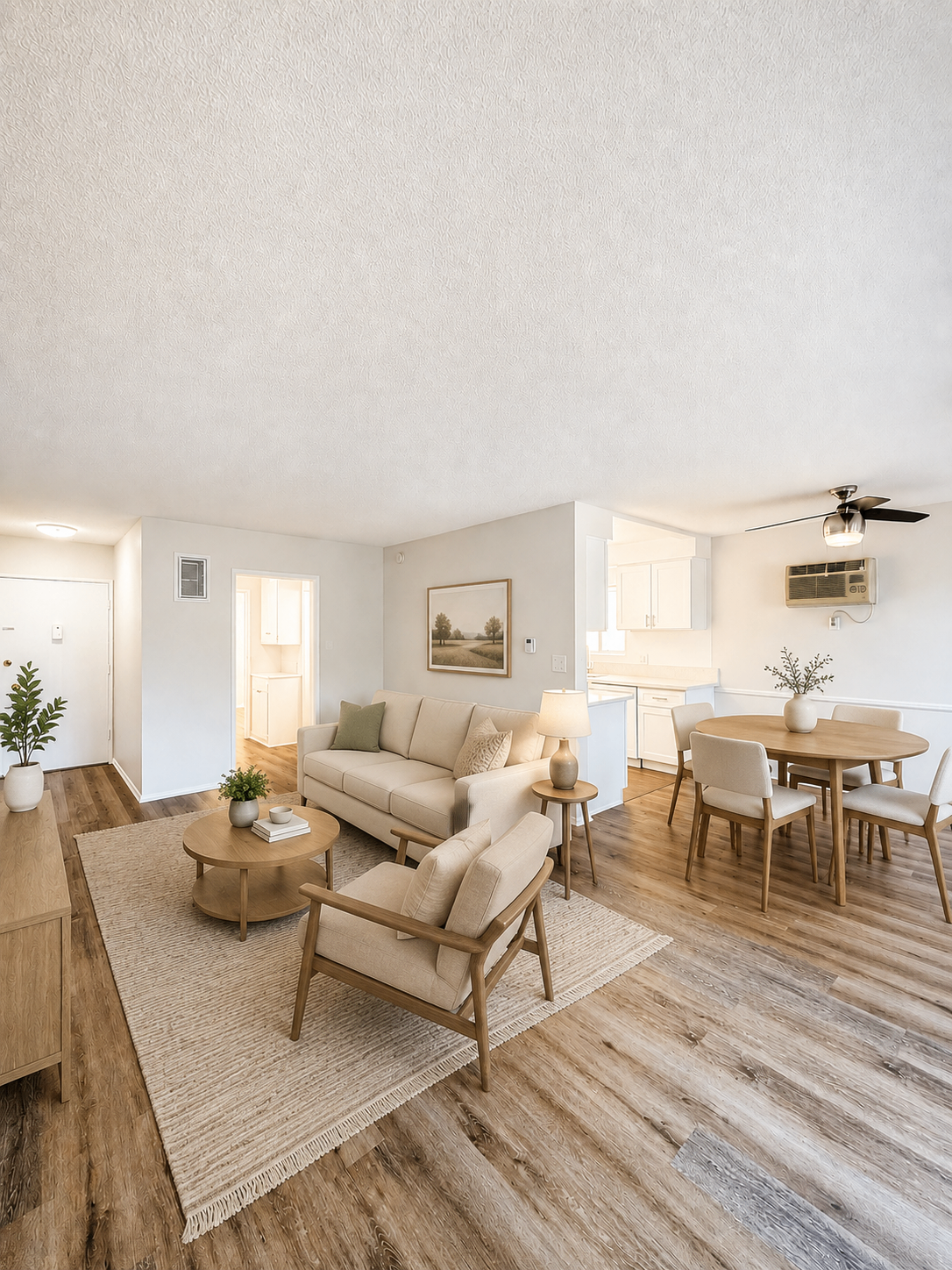
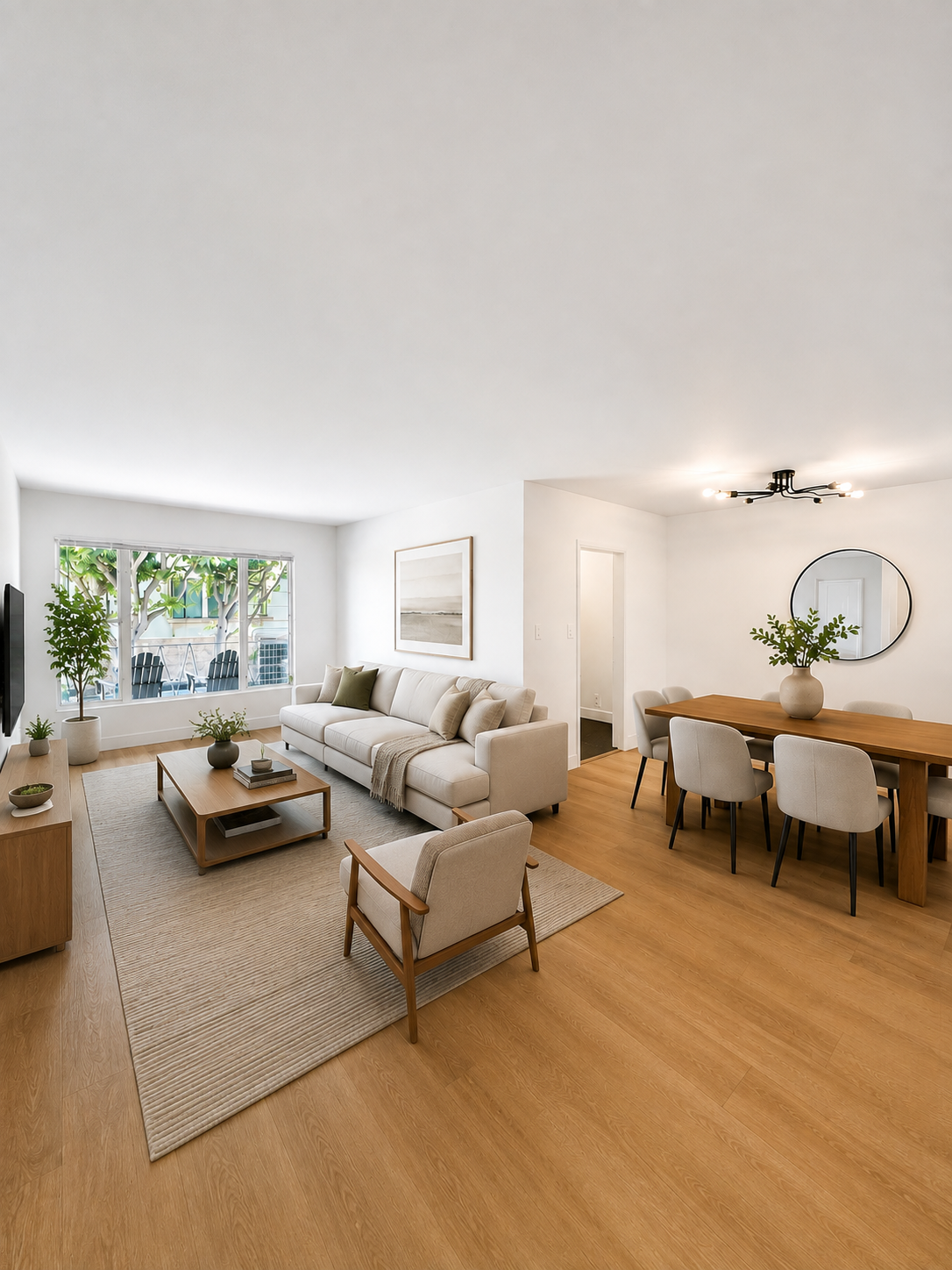
Available Properties in West Hollywood
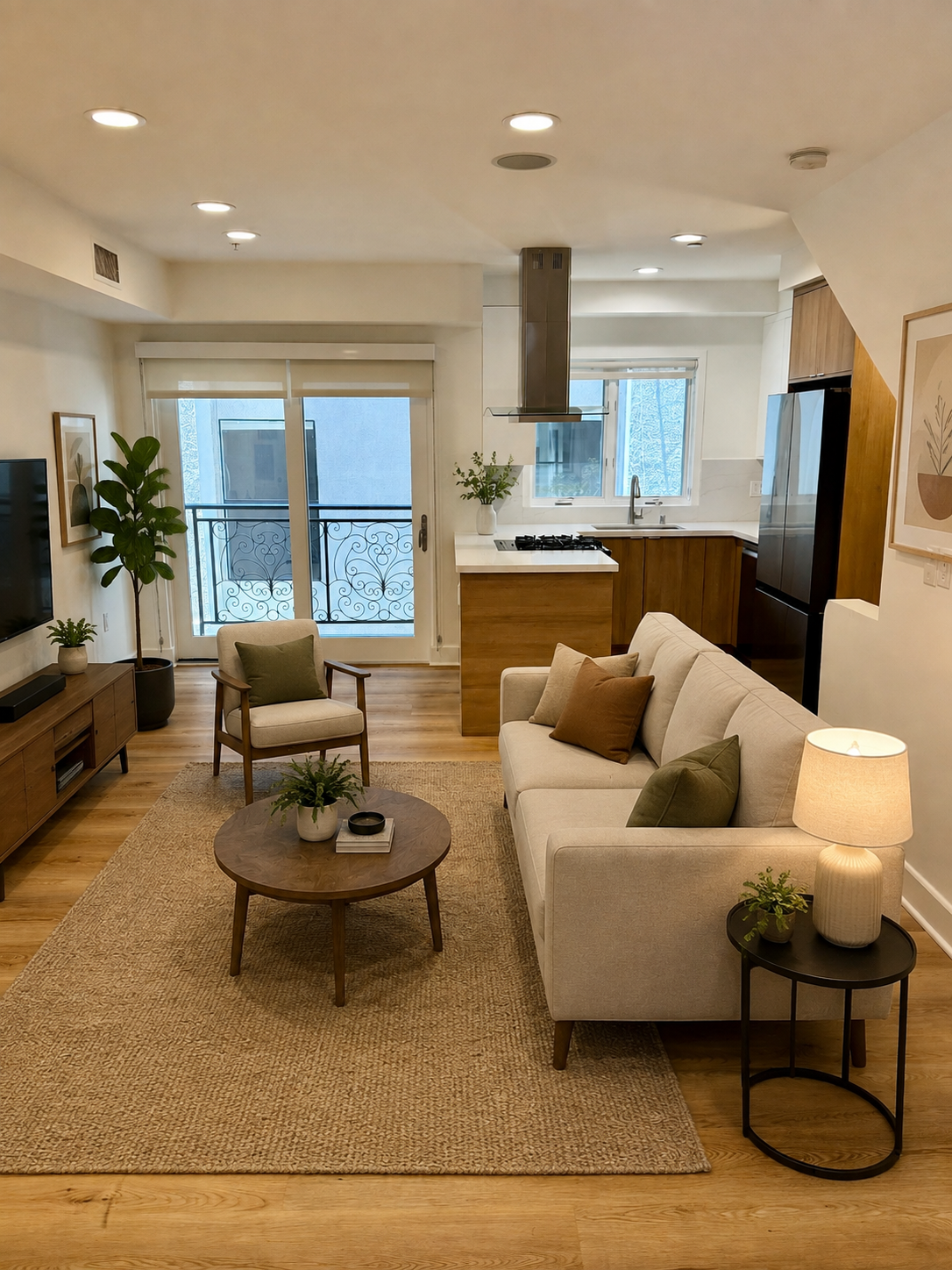
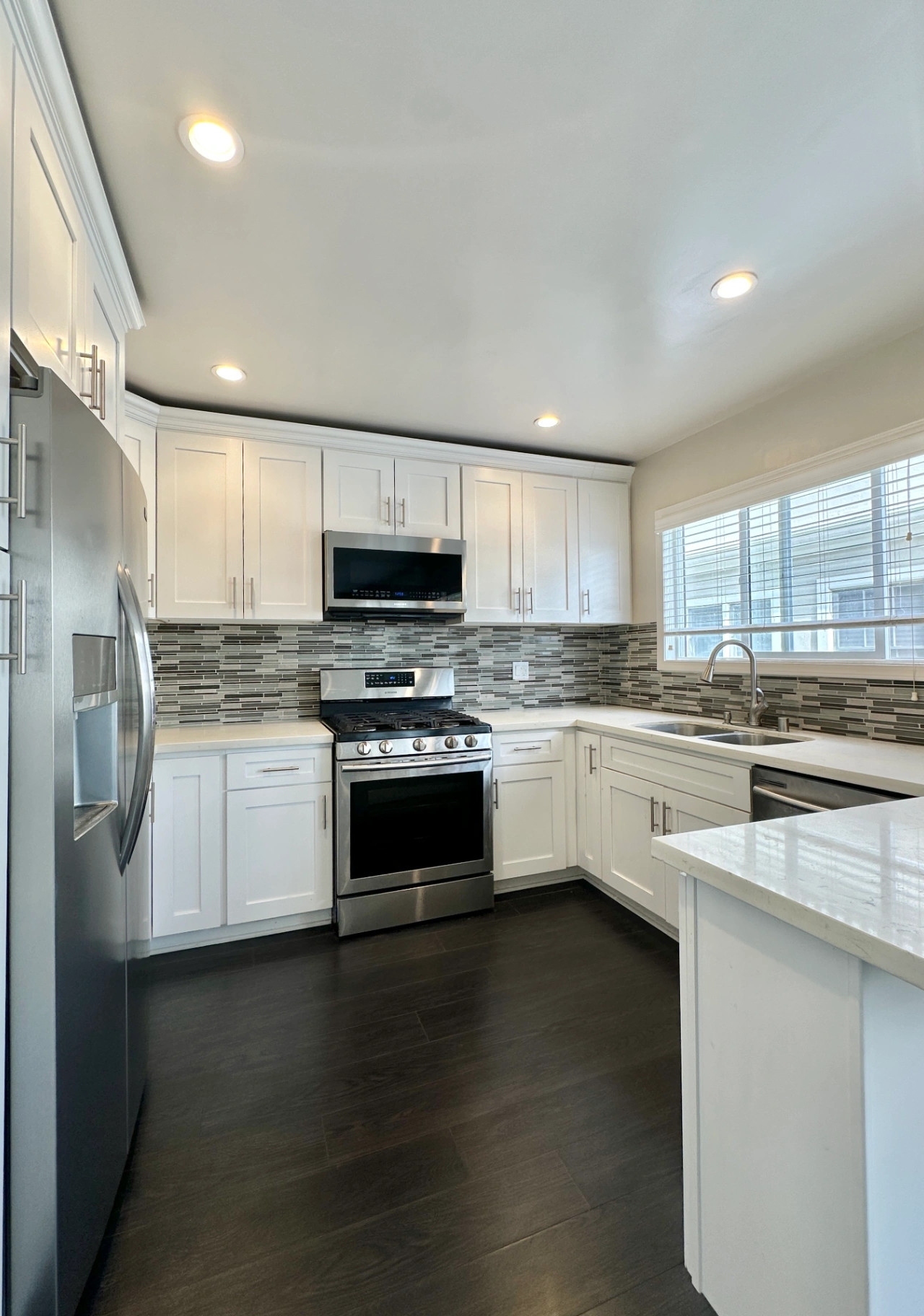
7 rentals available in WeHo

Browse West Hollywood by Apartment Type
Studios
Efficient solo living in WeHo — Sunset Strip access, RSO protections, no broker fee
1-Bedrooms
More space, same WeHo lifestyle — RSO-covered buildings from $2,600/mo
2-Bedrooms
Roommate-ready or family space in the heart of WeHo — from $3,600/mo
Pet-Friendly
One of LA's most dog-friendly cities — verified cat and dog-welcome listings
Apartment Buildings in West Hollywood
Multi-unit buildings with verified availability
7224 Hillside Ave
4 units available · $1,895–$2,695/mo
Studio-2 bedroom
8722 Burton Way
3 units available · $3,045/mo
2 bedroom
100 N Clark Dr
2 units available · $3,045/mo
2 bedroom