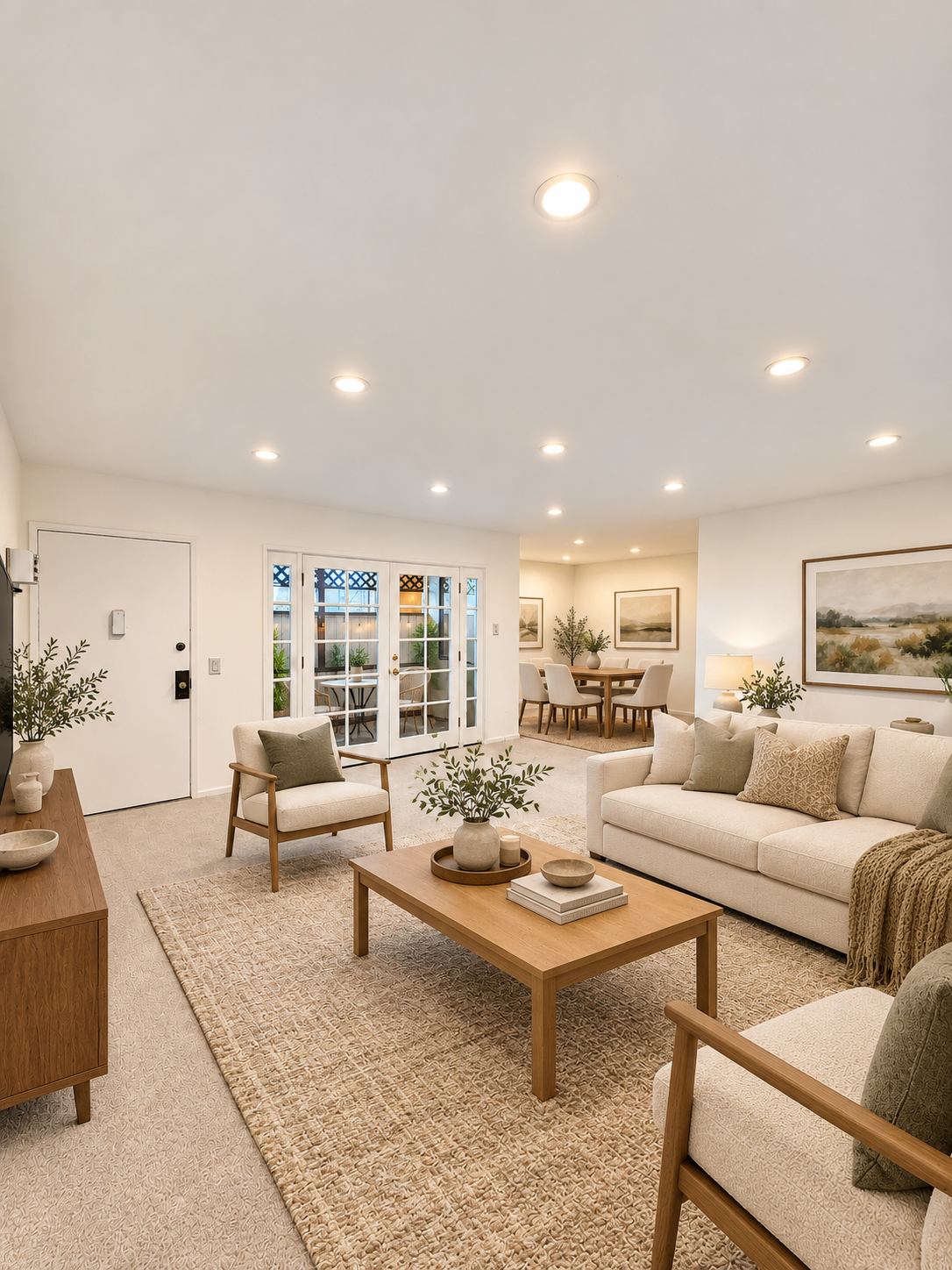
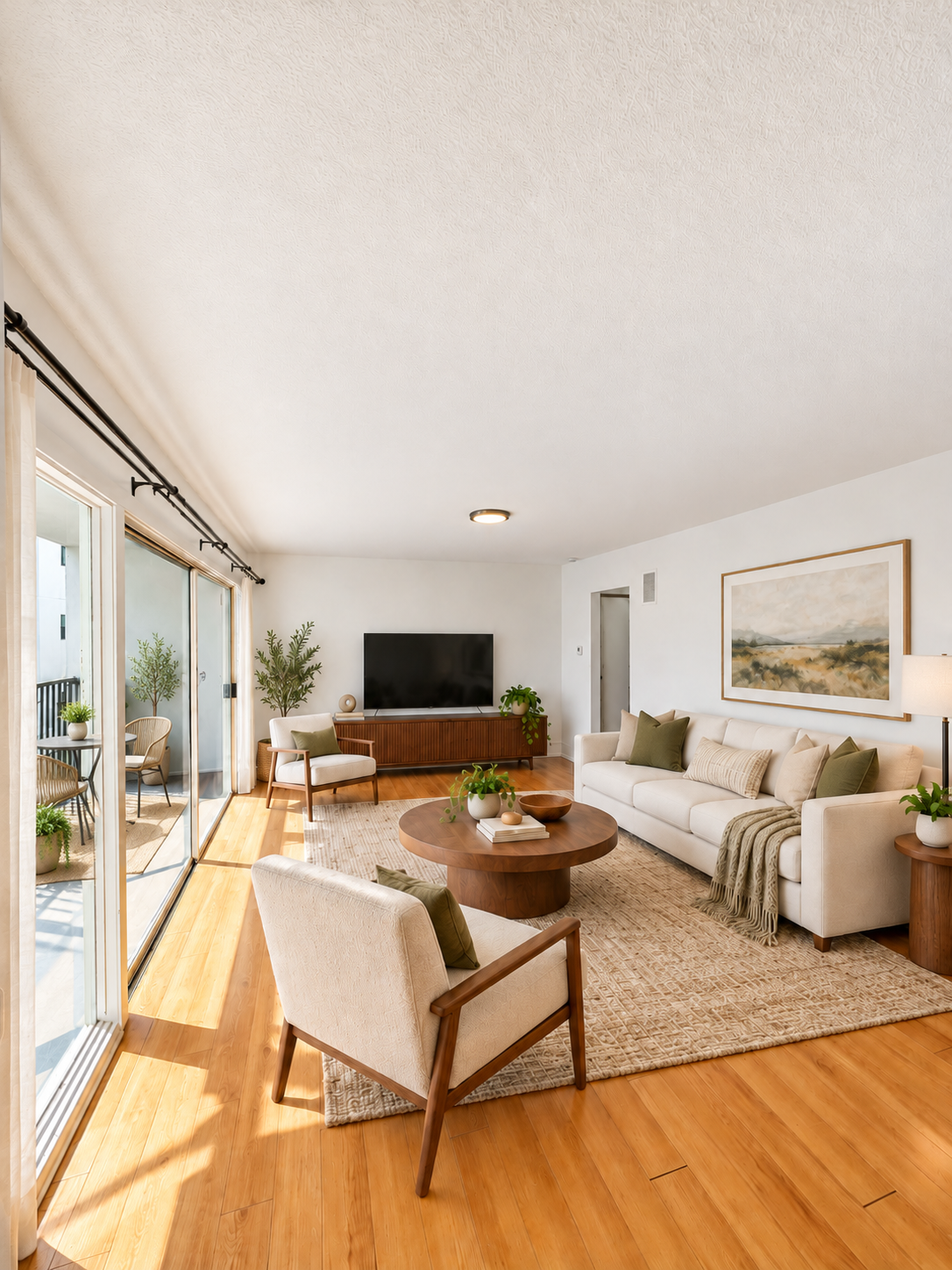
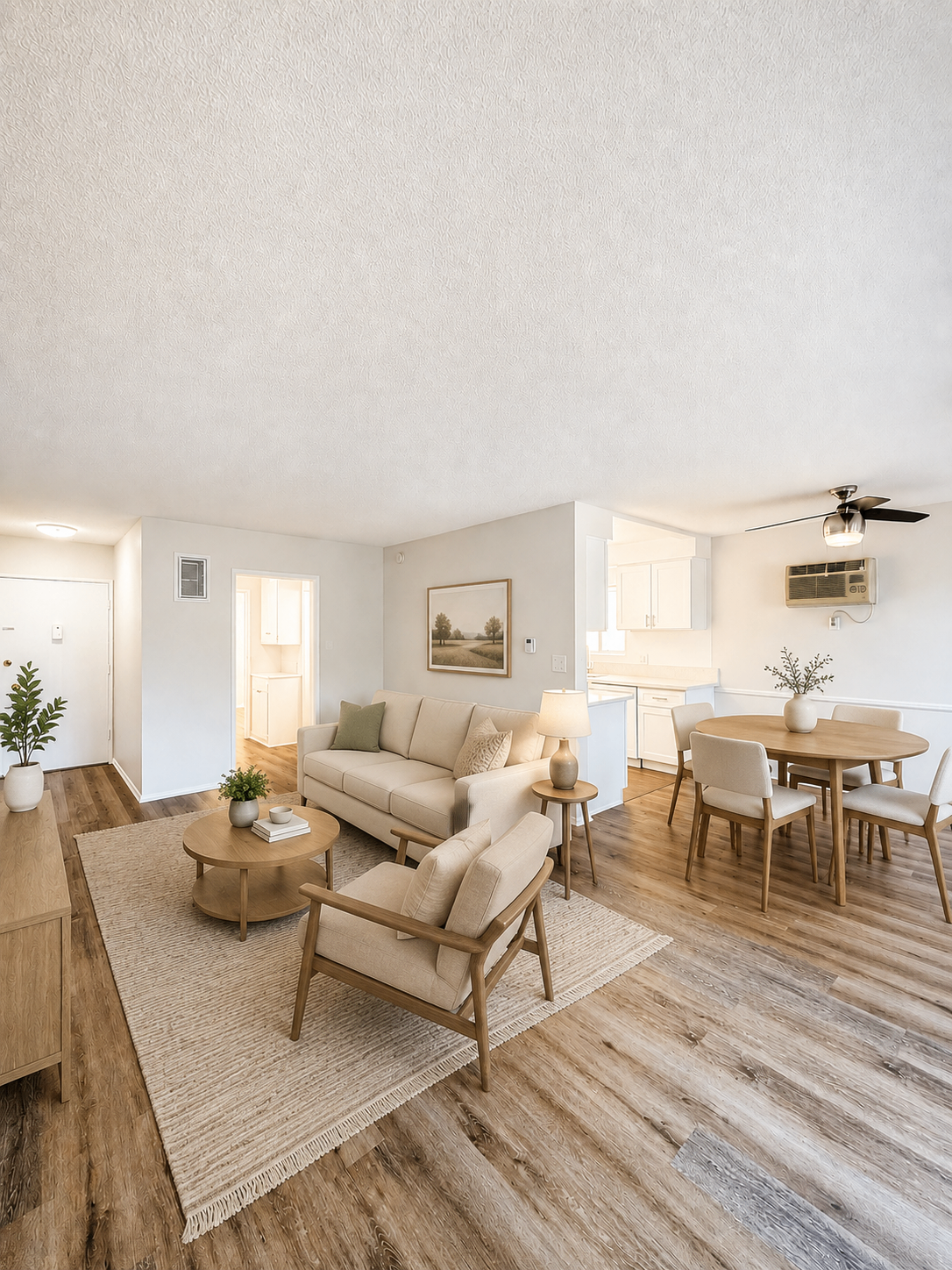
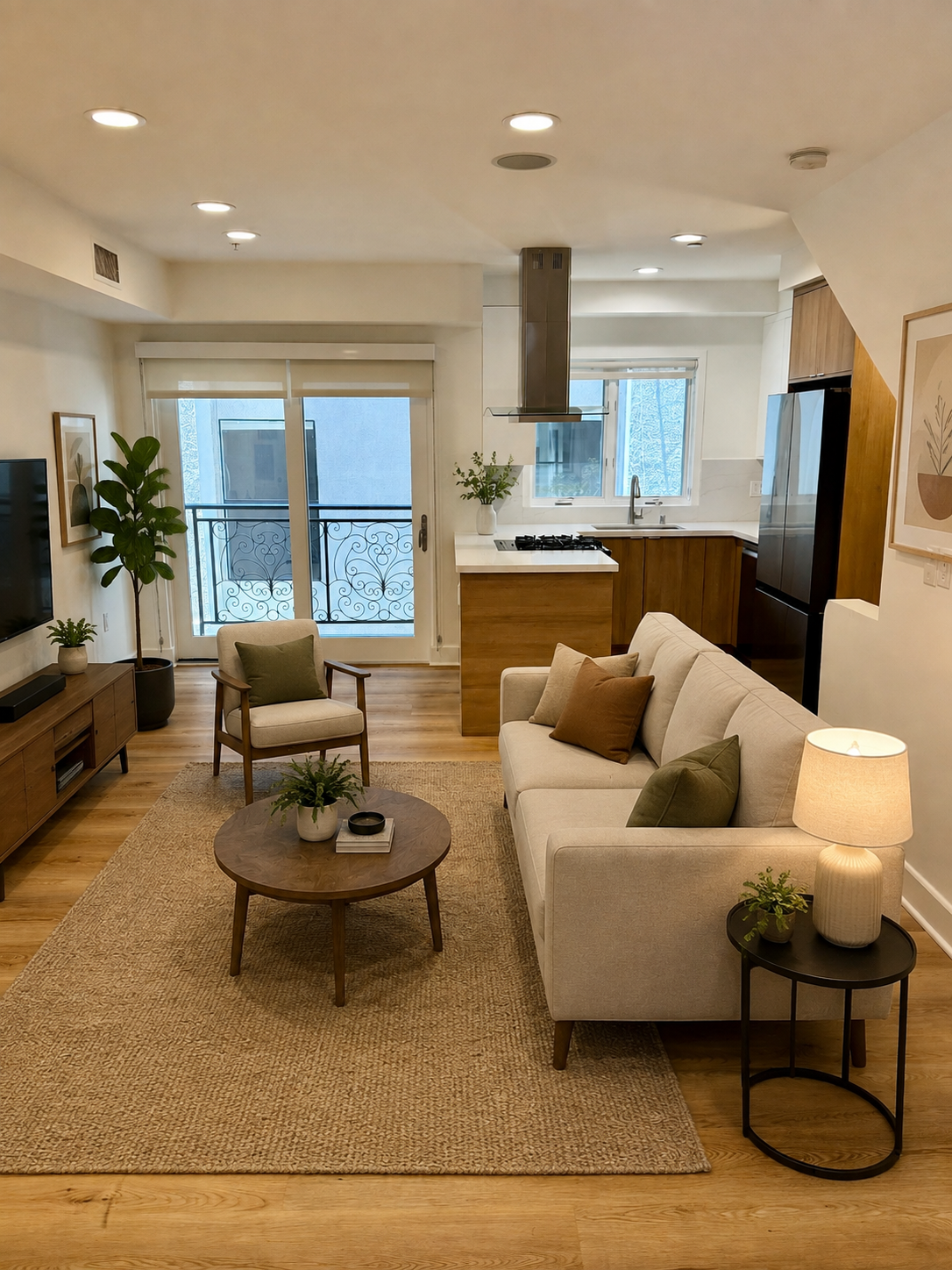
Apartments for Rent in Beverly Hills, CA
Discover luxury living in one of LA's most prestigious neighborhoods
What is it really like to rent in Beverly Hills?
By Jason Farone, Founder of 14ForRent · Updated August 2026
Quick Answer
Beverly Hills apartments start around $2,000–$2,200 for a studio, $3,200–$4,500 for a one-bedroom, and $5,500–$10,000+ for a two-bedroom in a luxury building. The city has its own rent stabilization ordinance that covers most rental units built before February 1, 1995 — stronger in some ways than the LA RSO. Beverly Hills suits renters who want walkable access to Rodeo Drive, world-class restaurants, and some of the city’s best-maintained streets in a self-contained 5.7-square-mile municipality. Browse current listings below.
Beverly Hills is a separate city entirely — not a neighborhood of Los Angeles, though it sits surrounded by it. That distinction matters practically: it has its own police department, its own public schools (Beverly Hills Unified), its own municipal services, and critically, its own Rent Stabilization Ordinance that operates independently of the LA RSO. For a renter, that means you are dealing with a different regulatory framework, different lease requirements, and a different set of landlord obligations than you would encounter in Koreatown or Hollywood.
The rental market here splits into two very different experiences. The flats — the streets south of Sunset and north of Olympic, laid out in a grid between Beverly and Doheny — contain most of the city’s apartment buildings. These include pre-war courtyard buildings on streets like Reeves Drive and Maple Drive alongside newer mid-rise developments. Walk Score in this part of the city reaches into the high 70s to mid-80s, with grocery stores, cafes, and Rodeo Drive shops within reach on foot. The Beverly Hills Triangle (Rodeo, Wilshire, Santa Monica Blvd) is genuinely walkable from most addresses in the flats. The hillside streets north of Sunset are almost exclusively single-family homes.
Rent is noticeably higher than most of LA, and the range is genuinely wide. Studios at the lower end of the market run around $2,000–$2,200 per month. A one-bedroom in a well-maintained older building typically costs $3,200–$4,500. Two-bedrooms in luxury buildings — and Beverly Hills has many — commonly run $6,000–$10,000 and above. The market data from early 2026 shows a median one-bedroom around $3,500 and median two-bedroom around $6,000, with high-end units pushing well past those numbers. If a listing you find elsewhere shows a Beverly Hills studio at $1,500, verify it carefully — that price does not reflect this market.
Beverly Hills rent stabilization is worth understanding before you sign. The city’s RSO covers most rental units in buildings with a certificate of occupancy issued before February 1, 1995. Two categories apply: buildings constructed before September 20, 1978 (with original rents of $600 or less) are regulated under an older, more restrictive chapter; all other covered units allow annual increases of the greater of 3% or local CPI, with the 2025–2026 maximum set at 3%. Just cause eviction protections also apply to covered units. Beverly Hills’ tenant protections have historically been stronger in practice than the City of LA’s RSO for buildings that fall under them.
The ZIP codes you will encounter most when searching Beverly Hills apartments are 90210 (the hillside addresses and parts of the flats north of Santa Monica Blvd, the city’s most recognized ZIP), 90211 (the central residential flats, roughly between Santa Monica Blvd and Olympic), and 90212 (the southern flats and the commercial stretch near Wilshire). Most apartment buildings are concentrated in 90211 and 90212. A 90210 address that shows up on a rental listing is frequently a hillside property or a building on the northern residential grid — confirm the walkability characteristics before assuming the same street-level convenience as the Triangle area.
Commuting from Beverly Hills is straightforward by car — Century City is a five-minute drive, West Hollywood a ten-minute drive, and DTLA about 25–35 minutes on the 10 freeway. By transit, the Metro E Line (Expo Line) runs east-west along Exposition Blvd south of Beverly Hills and the Big Blue Bus routes connect parts of the flats to the Westside. Realistically, most Beverly Hills renters drive. The Beverly Hills Unified School District covers the city’s public schools — Beverly Hills High School (grades 9–12, on Moreno Drive) and El Rodeo (K–5), Hawthorne (K–5), and Beverly Vista (K–5) as the elementary schools. For renters with school-age children this is frequently a primary factor in their search, since Beverly Hills USD consistently outperforms the LA Unified district.
Parking in Beverly Hills apartments varies significantly by building. Older courtyard buildings on the flats often include one assigned space in a carport or detached garage; newer mid-rise buildings typically have structured parking with assigned spaces included at or near the rent price. Street parking in the flats is residential-permit and generally available overnight for residents. Beverly Hills does not have the same acute parking shortage that Koreatown has — but if you have multiple vehicles, verify the building’s situation before signing. Large luxury buildings often offer valet parking services for residents, which is not something you will find at most price points in the rest of LA.
For renters comparing Beverly Hills to adjacent areas: West Hollywood (to the east) offers lower rents for comparable unit sizes, a denser nightlife and restaurant scene, and a similar level of walkability, but without the same school district quality or the same prestige address. Century City (technically within the City of LA, immediately south) is a hub for office workers and has newer high-rise residential buildings at similar or slightly lower price points. Culver City, further south, offers significantly lower rents and its own arts scene. The decision to rent in Beverly Hills versus these adjacent areas usually comes down to schools, the specific lifestyle of the Beverly Hills flats, or a specific building that does not have an equivalent elsewhere.
Why Rent in Beverly Hills?
- • Walking distance to Rodeo Drive shopping
- • Near Century City business district
- • Excellent Beverly Hills school district
- • 24/7 security in many buildings
- • Close to UCLA Medical Center
Beverly Hills Luxury Amenities
Beverly Hills Rent Compared to Nearby Neighborhoods
| Neighborhood | Studio | 1BR | 2BR | Transit | Best for |
|---|---|---|---|---|---|
| Beverly Hills | $2,000–$2,400 | $3,200–$4,500 | $5,500–$10,000 | Big Blue Bus, Metro lines nearby; most residents drive | Luxury renters, families, Westside professionals |
| West Hollywood | $2,100–$2,700 | $2,600–$3,600 | $3,600–$5,500 | DASH, Big Blue Bus; D Line nearby (La Cienega/La Brea) | LGBTQ+ community, nightlife-centric renters, Westside professionals |
| Santa Monica | $2,200–$2,800 | $3,000–$4,000 | $4,200–$6,000 | Metro E Line (Expo), Big Blue Bus, beach bike path | Beach lifestyle renters, transit commuters, families |
| Hollywood | $1,900–$2,500 | $2,400–$3,200 | $3,200–$4,800 | Metro B Line (Red) at Hollywood/Vine & Hollywood/Highland, Line 2 bus | Entertainment industry workers, transit riders, Los Feliz/East Hollywood seekers |
Frequently Asked Questions about Beverly Hills
How much is rent in Beverly Hills?
As of 2026, Beverly Hills studios typically rent for $2,000–$2,400 per month, one-bedrooms for $3,200–$4,500, and two-bedrooms for $5,500–$10,000 in most standard luxury buildings. Ultra-luxury penthouses and large units exceed those figures. The market has stayed broadly stable year-over-year with modest annual increases for RSO-covered units (capped at 3% for 2025–2026).
Is Beverly Hills walkable?
The Beverly Hills flats — the residential grid south of Sunset — carry a Walk Score in the high 70s to mid-80s, with Whole Foods, Ralph’s, Bristol Farms, and Rodeo Drive shops all reachable on foot from most apartment addresses. Transit is less convenient than DTLA or Koreatown; most residents drive. Street parking in the flats is residential-permit and generally available overnight.
Does Beverly Hills have rent control?
Yes, and it is independent of Los Angeles city rules. Beverly Hills has its own Rent Stabilization Ordinance covering most rental units in buildings issued a certificate of occupancy before February 1, 1995. The current maximum annual rent increase for covered units is 3% (effective through June 2026). Covered tenants also have just cause eviction protections. If you are renting in a newer building (CO after February 1, 1995), those units are not covered by Beverly Hills RSO, though California’s AB 1482 statewide cap may still apply.
Available Properties in Beverly Hills
0 luxury rentals available
No Beverly Hills Properties Available
Check back soon for new luxury listings in Beverly Hills.
Consider expanding your search to nearby areas like West Hollywood or Century City.
Available near Beverly Hills
Nothing is live in Beverly Hills today, so here is what we have in the closest neighborhoods we cover.