Apartments for Rent in Santa Monica, CA
Beachside living with urban convenience in LA's premier coastal city
Is Santa Monica worth the rent premium?
By Jason Farone, Founder of 14ForRent · Updated August 2026
Quick Answer
Santa Monica studios start around $2,200–$2,800 per month, one-bedrooms run $3,000–$4,000, and two-bedrooms typically land between $4,200 and $6,000. The city has some of California’s strongest rent control — buildings with a certificate of occupancy before April 10, 1979 are covered, with annual increases capped at 2.3% for 2025–2026. A Walk Score of 95 and direct Expo Line rail service to DTLA make this one of the most livable rental cities in LA County. Current listings are below.
Santa Monica is another independent city — not a neighborhood of Los Angeles — and that independence shows in how it operates. The city runs its own Big Blue Bus network, its own rent control board, and some of the most tenant-protective housing laws in California. For renters who can afford it, or who are lucky enough to be in a long-held rent-controlled unit, Santa Monica offers a quality of life that is difficult to match anywhere in the region.
The geography creates distinct rental sub-markets. The area north of Montana Avenue, called North of Montana or "NoMo," is almost entirely single-family homes and expensive rental houses with few apartments. The main rental stock sits in three corridors: the blocks around Main Street in Ocean Park (90405), the mid-city grid around Lincoln and Wilshire, and the downtown core near 3rd Street Promenade and the Santa Monica Pier (90401/90403). Ocean Park tends to run slightly lower-priced than downtown Santa Monica for comparable units and has a more low-key, residential feel. The downtown core commands a premium for proximity to the beach, restaurants, and the Expo Line terminus at Downtown Santa Monica station.
Transit here is genuinely good by LA standards. The Metro E Line (Expo Line) runs directly from Downtown Santa Monica to Culver City, USC, and Union Station in about 45–50 minutes, with no freeway involved. Big Blue Bus routes cover most of the city and connect to Metro bus lines eastward. The Walk Score of 95 reflects reality: most addresses near downtown or Main Street can reach a full grocery store, pharmacy, and dozens of restaurants without driving. Bike infrastructure along the beach path and on Ocean Park Boulevard is extensive — Santa Monica has a Bike Score in the high 80s.
Rent control is the most important local-knowledge point for Santa Monica renters. The Santa Monica Rent Control Law covers most residential rental units in buildings with a certificate of occupancy issued before April 10, 1979. The maximum allowable rent increase for 2025–2026 is 2.3% — notably lower than the City of LA’s RSO and lower than Beverly Hills’ cap. Single-family homes and condos are exempt under Costa-Hawkins, and buildings constructed after April 10, 1979 are not covered by rent control (though AB 1482 may still apply). When you tour an apartment in Santa Monica, asking whether the unit is rent-controlled is one of the most financially significant questions you can ask.
The ZIP codes within Santa Monica are tightly packed and matter for walkability. ZIP 90401 covers the downtown core and the blocks immediately inland from the pier — this is where the Expo Line terminus sits and where Walk Score reaches its peak of 95. ZIP 90402 covers the North of Montana area, which is primarily single-family homes at very high price points. ZIP 90403 covers Mid-City and the Montana Avenue corridor — calmer than downtown, still walkable, with excellent independent cafes and boutiques on Montana Avenue itself. ZIP 90404 covers the Lincoln Boulevard corridor and the mid-eastern portion of the city — more transit-dependent, somewhat lower rents than the beachside areas. ZIP 90405 is Ocean Park and the southern end of Main Street — a lower-key, slightly more affordable pocket that shares much of Venice’s energy without Venice’s rent.
What does day-to-day life in Santa Monica actually look like? Most residents who live near downtown or Main Street genuinely go days without using a car. The 3rd Street Promenade is a pedestrian-only outdoor mall with a Whole Foods, dozens of restaurants, and regular farmer’s markets (Wednesdays and Saturdays at the Arizona Ave lot are the largest). The Santa Monica Pier has a small amusement park, an aquarium, and free evening concerts in summer. Palisades Park runs along the bluffs above Pacific Coast Highway and is one of the best walking parks in the LA region — a narrow strip of lawn and palm trees with unobstructed ocean views. For parents with young children, the Santa Monica-Malibu Unified School District (SMMUSD) serves the city and consistently ranks above the LA Unified average, with Lincoln Middle School and Santa Monica High School (Samohi) among the most attended.
For renters commuting to work, the practical calculus changes depending on destination. Downtown LA via Expo Line is about 45 minutes with one transfer at Culver City — a genuinely usable commute that eliminates the 10 freeway nightmare. To the Westside tech corridor (Playa Vista, Culver City, El Segundo), the Expo Line or a bike ride gets you there. To the Valley (Sherman Oaks, Burbank), you are realistically driving — there is no direct rail link. To Beverly Hills, it is a 10-minute drive or a Big Blue Bus trip. The tradeoff Santa Monica asks is simple: you pay a meaningful rent premium in exchange for one of the few neighborhoods in LA County where you can genuinely live without a car if you choose to.
Santa Monica’s rental price premium relative to adjacent cities is real but not as extreme as Beverly Hills. Compared to Venice, which shares the same beach access, Santa Monica typically runs 10–20% higher for comparable units — the Expo Line access and stronger school district are the primary drivers. Compared to Culver City (inland, no beach), Santa Monica runs 20–35% higher. Compared to Brentwood (adjacent, no Metro access), Santa Monica is comparable or slightly lower for most unit sizes. The value case for Santa Monica is strongest for renters who will actually use the train, the beach path, and the walkable downtown — those features genuinely change quality of life in ways that show up in daily living, not just on listing photos.
Why Rent in Santa Monica?
- • Walk/bike to Santa Monica Beach & Pier
- • Expo Line access to Downtown LA
- • Third Street Promenade shopping
- • Montana Avenue boutiques & cafes
- • Main Street nightlife & restaurants
- • Bergamot Station Arts Center
Santa Monica Lifestyle Amenities
Popular Rental Areas
Santa Monica Rent Compared to Nearby Neighborhoods
| Neighborhood | Studio | 1BR | 2BR | Transit | Best for |
|---|---|---|---|---|---|
| Santa Monica | $2,200–$2,800 | $3,000–$4,000 | $4,200–$6,000 | Metro E Line (Expo), Big Blue Bus, beach bike path | Beach lifestyle renters, transit commuters, families |
| West Hollywood | $2,100–$2,700 | $2,600–$3,600 | $3,600–$5,500 | DASH, Big Blue Bus; D Line nearby (La Cienega/La Brea) | LGBTQ+ community, nightlife-centric renters, Westside professionals |
| Beverly Hills | $2,000–$2,400 | $3,200–$4,500 | $5,500–$10,000 | Big Blue Bus, Metro lines nearby; most residents drive | Luxury renters, families, Westside professionals |
| Downtown LA | $2,200–$2,800 | $2,800–$3,800 | $3,800–$6,000 | 6 Metro rail lines, Union Station, DASH buses | Urban professionals, transit commuters, arts/culture seekers |
Frequently Asked Questions about Santa Monica
How much is rent in Santa Monica?
Santa Monica is among the priciest rental markets in LA County. Studios typically run $2,200–$2,800 per month, one-bedrooms $3,000–$4,000, and two-bedrooms $4,200–$6,000. Newer luxury buildings and units on the west side near the beach push above those ranges. Rent-controlled units in older buildings can be considerably lower for long-term tenants, which is part of what drives demand here.
How walkable is Santa Monica?
Very. Santa Monica has a Walk Score of 95, reflecting the density of shops, restaurants, and services concentrated around 3rd Street Promenade, Main Street, and the Lincoln corridor. The Metro E Line Expo station brings rail access without a car. Most renters near downtown Santa Monica find they can go days without driving — which is unusual in the LA region and a significant quality-of-life factor.
Which Santa Monica apartments have rent control?
Santa Monica’s Rent Control Law covers most residential rental units in multifamily buildings that received their certificate of occupancy before April 10, 1979. The 2025–2026 maximum allowable rent increase is 2.3%, making it one of the lowest rent increase caps in California. Single-family homes, condos (under Costa-Hawkins), and buildings built after April 10, 1979 are exempt. If you are considering a unit in an older building, ask the landlord directly whether it is registered with the Santa Monica Rent Control Board.
Available Properties in Santa Monica
3 beach rentals available
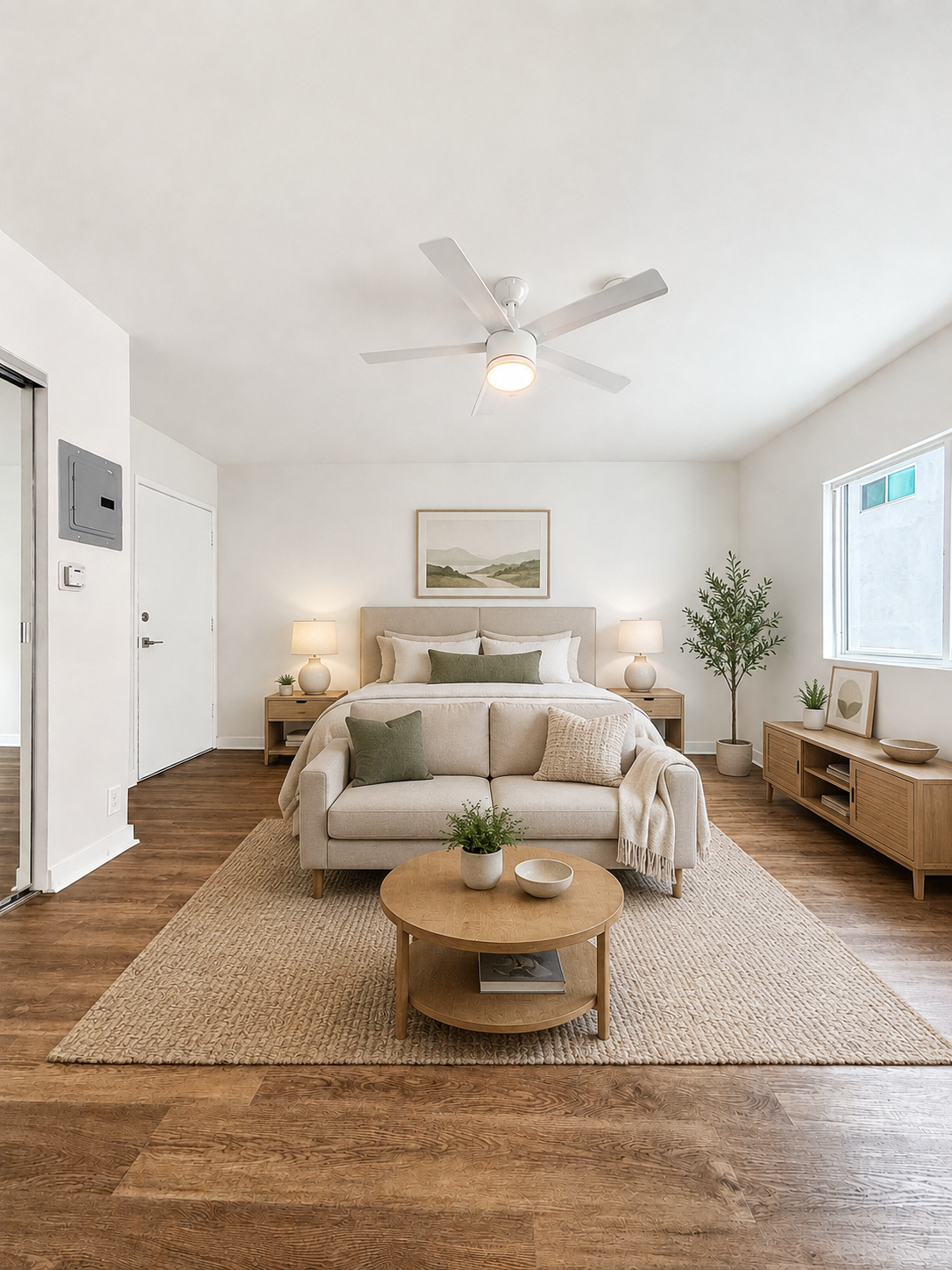
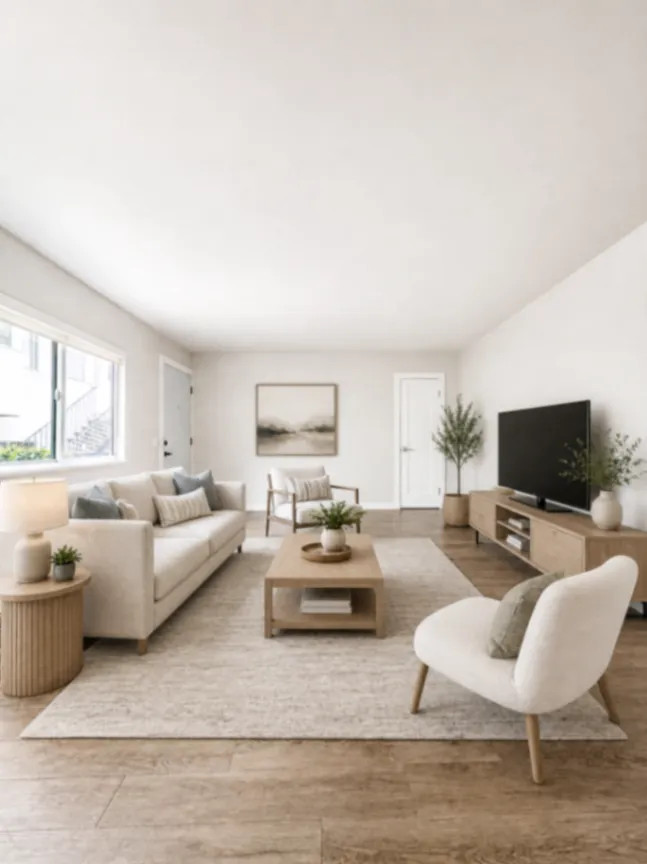
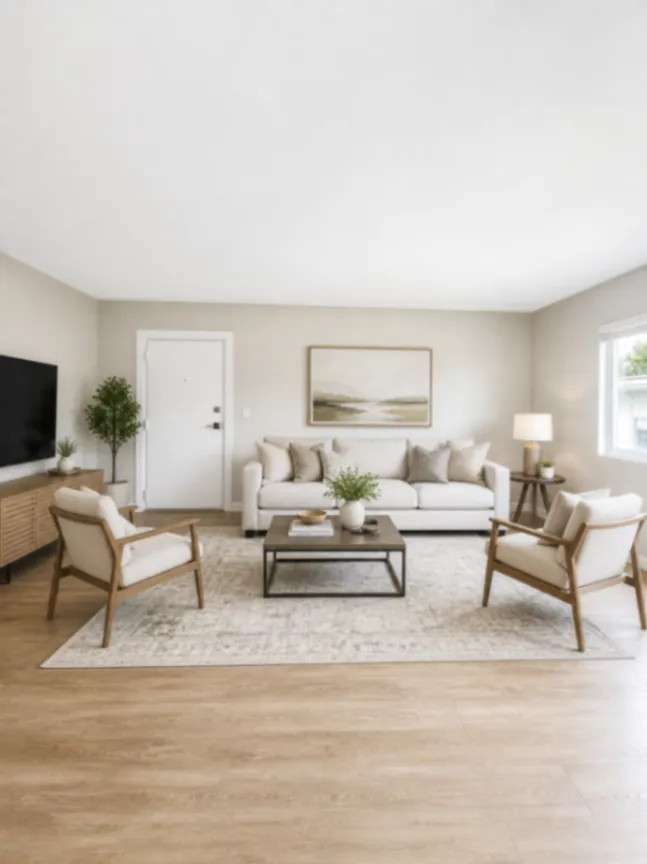
Apartment Buildings in Santa Monica
Multi-unit buildings with verified availability
See all buildings →